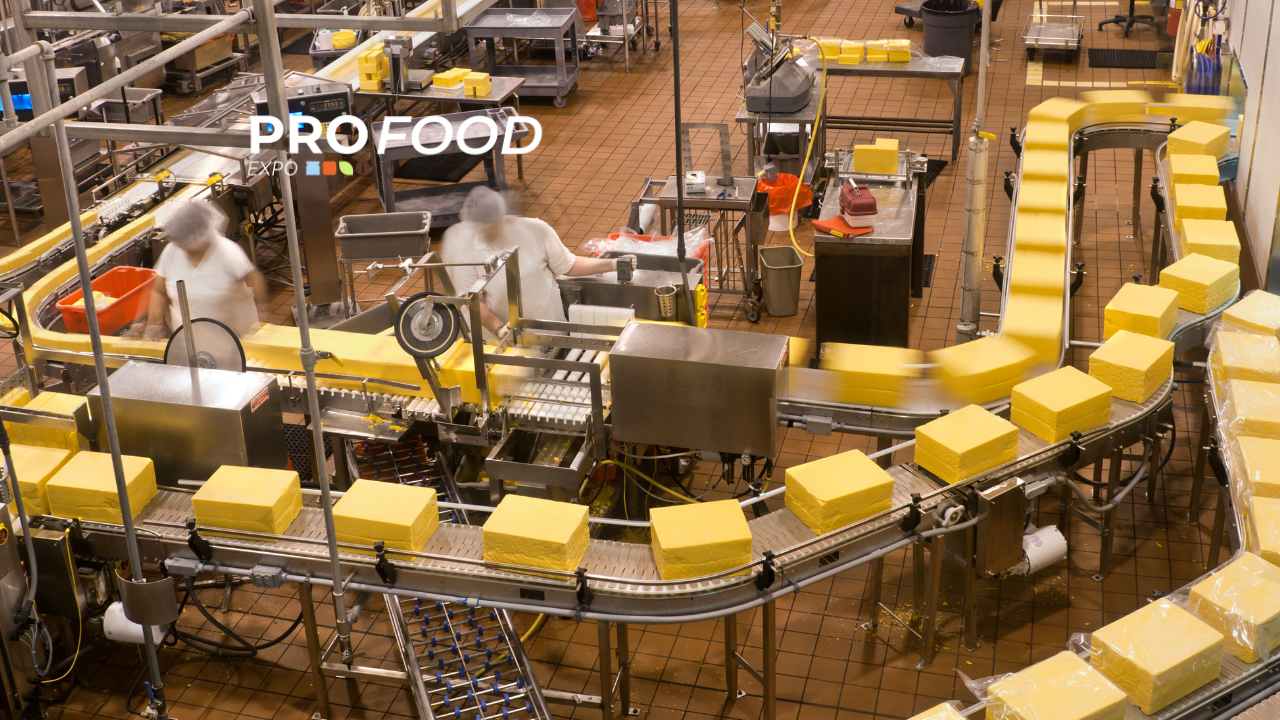
In 2025, investments in food production in Kazakhstan reached a record 389.4 billion tenge, more than double the amount invested the previous year. This growth marks the highest level ever recorded and represents a significant leap in the development of the sector.
According to finprom.kz, from January to December 2025, capital investments in the food industry sector amounted to 389.4 billion tenge, compared to 180.8 billion tenge in 2024. The physical volume index of investments reached 208.1%, significantly exceeding growth rates of previous years.
The increase in investment is viewed in the context of the country’s national economic strategy. As noted by the Minister of National Economy, Serik Zhumangarin, structural imbalances in production and a high dependence on imports for certain food categories contribute to price increases. Expanding the production capacity of the food industry helps reduce import dependence and maintain stable prices in the domestic market.
The government’s import substitution policy includes launching new projects for the processing of meat, dairy, and vegetable products, strengthening food security and supporting the domestic market.
The social significance of these investments is also high: food accounts for about 57% of household consumer budgets, and over the long term, food prices rise faster than many other categories. Investments in the food sector thus become a key factor in both the economic and social stability of the country.
Source: inbusiness.kz
According to finprom.kz, from January to December 2025, capital investments in the food industry sector amounted to 389.4 billion tenge, compared to 180.8 billion tenge in 2024. The physical volume index of investments reached 208.1%, significantly exceeding growth rates of previous years.
The increase in investment is viewed in the context of the country’s national economic strategy. As noted by the Minister of National Economy, Serik Zhumangarin, structural imbalances in production and a high dependence on imports for certain food categories contribute to price increases. Expanding the production capacity of the food industry helps reduce import dependence and maintain stable prices in the domestic market.
The government’s import substitution policy includes launching new projects for the processing of meat, dairy, and vegetable products, strengthening food security and supporting the domestic market.
The social significance of these investments is also high: food accounts for about 57% of household consumer budgets, and over the long term, food prices rise faster than many other categories. Investments in the food sector thus become a key factor in both the economic and social stability of the country.
Source: inbusiness.kz